What's for Dinner Tonight? 30 Answers for When You Can't Decide
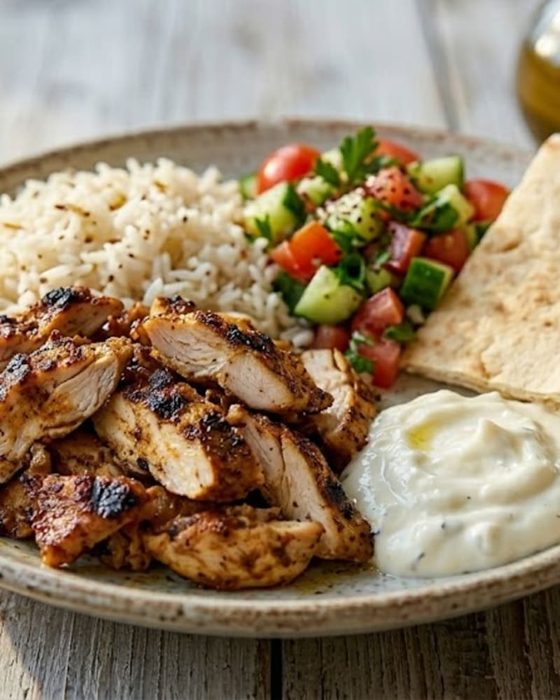
It's 6:14 p.m. You've had the fridge open long enough that the light feels judgmental. Half an onion. A block of feta. Three eggs. Something in a container nobody is brave enough to open.
You're not out of food. You're out of decisions.
The "200 food decisions a day" thing isn't true
You've seen the stat. You make over 200 food decisions every day. It's on wellness blogs, app landing pages, morning shows, probably a poster in your doctor's office.
It doesn't hold up.
The number traces to a 2007 study where 154 people estimated their own food choices, multiplied out to an average of 226.7. In January 2026, researchers at the Max Planck Institute for Human Development pulled the figure apart and found it had circulated for nearly twenty years without ever being validated.
So no. You're not drowning in 226 tiny food choices.
You're making one hard choice at the worst possible hour — standing up, hungry, judgment already spent, someone behind you asking "so what are we doing?" in a tone that is definitely not neutral.
The problem was never volume. It's timing.
Why "just meal plan on Sunday" keeps failing you
Sunday you is optimistic. Sunday you buys fennel.
Thursday you gets home at 7:10, looks at the fennel, and orders pad thai. The fennel goes soft. You feel vaguely guilty about it for four days and then throw it out.
Planning fails because it asks you to predict your own appetite six days out. Nobody can do that. You don't know what you'll crave on Thursday any more than you know what you'll want to watch.
What works is narrowing the field at the moment you're hungry — a short list of things that already sound good, instead of the entire internet.
30 answers, sorted by how much fight you have left
These are sorted by effort, not by cuisine. Pick the tier that matches your evening. Skip the rest.
Why a shorter list beats a longer one
Here's the part nobody tells you: adding options makes the choice harder, not easier.
Thirty ideas is already too many for 6:14 p.m. Ten thousand — which is roughly what a recipe search gives you — is actively hostile. Every extra option is another thing to compare against, and comparison is exactly the work your brain has stopped wanting to do by dinnertime.
The fix isn't more inspiration. It's fewer, better-aimed choices, arriving when you're hungry rather than when you're planning. One dish at a time, yes or no, no comparison required.
And the half onion?
Start there. Not because of waste guilt — because it narrows the field for you before you've made a single decision.
Half an onion, three eggs, and a block of feta is already a frittata. Add the rice at the back of the fridge and it's fried rice. The thing you're avoiding in the container is probably the answer, or at least the reason you don't need to buy anything.
Cook what's about to turn first. Tomorrow's list gets shorter on its own.
The actual fix isn't a longer list
You just read thirty ideas. Tomorrow at 6:14 you'll remember maybe two.
That's the trap. More options never solved this — the internet already has ten million dinner ideas and you still stood in front of the fridge tonight. What you need is a shorter list, served at the exact moment you're hungry, made of things you've already said yes to.
That's the whole idea behind SwipeCart. You swipe through dinners the way you'd swipe through anything else you're picking between — crave right, pass left. The ones you crave land in a cart. Then an AI agent shops that cart and checks out for you at Kroger or Walmart, so the decision and the grocery run collapse into one step.
No Sunday spreadsheet. No fennel guilt. If you want the longer version of how the mechanic works, we broke it down in what a swipe meal planner actually is.
Tonight's answer is somewhere in this list. Next Thursday's should find you instead.